


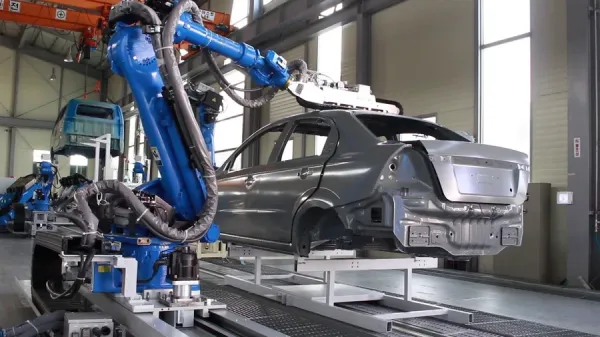
As industrial technology advances rapidly, automated and innovative methods are transforming manufacturing processes across industries. One area experiencing profound change is surface finishing and material removal, where robotic polishing and deburring solutions have emerged as game-changers. These systems, leveraging robotic polishing for flawless surface finishes and robotic deburring for precise material removal, are gaining traction in factories and production facilities. Unlike traditional methods, which expose workers to hazardous chemicals, dust, and polluted air, robotic polishing and deburring systems eliminate these risks, enhancing workplace safety and operational efficiency.
This article delves into the features, advantages, and applications of robotic polishing and deburring in modern manufacturing.
Advantages of Robotic Polishing and Deburring Systems
Unmatched Precision and Productivity-
Robotic polishing and deburring systems utilize advanced automation to execute robotic polishing and robotic deburring with exceptional accuracy. By minimizing human error, these systems deliver consistent, high-quality results, significantly improving product performance and finish.
Cost and Time Efficiency-
Implementing robotic polishing and robotic deburring reduces the time required for surface finishing and material removal while optimizing operational costs. These technologies accelerate production cycles and enhance product quality, boosting profitability. For example, some manufacturers report up to a 30% reduction in production time with robotic polishing and deburring.
Enhanced Workplace Safety-
Traditional polishing and deburring expose workers to harmful substances and polluted environments. Robotic polishing and deburring systems eliminate direct human involvement in these hazardous tasks, reducing workplace accidents and health risks.
Versatility and Adaptability-
Robotic polishing and deburring systems are highly flexible, capable of handling diverse tasks simultaneously. From small medical components to large aerospace parts, these systems adapt to varying production needs, maximizing efficiency.
Methods for Implementing Robotic Polishing and Deburring
Precision Programming
Effective robotic polishing and robotic deburring rely on precise programming. Designing accurate motion paths and operational patterns ensures optimal performance, making programming a cornerstone of these systems.
Advanced Sensor Integration
Equipping robots with cutting-edge sensors enables real-time data collection from surfaces and components. These sensors enhance the accuracy of robotic polishing and deburring, allowing systems to perform tasks with minimal errors.
Ongoing Monitoring and Quality Control
To ensure consistent quality in robotic polishing and deburring, regular monitoring and quality control are essential. Routine inspections verify system performance and maintain desired outcomes.
Automated Polishing and Grinding with Yaskawa Motoman GP Series Robots
Many industries still rely on manual polishing and grinding—tasks that are labor-intensive, time-consuming, and hazardous. Workers in traditional setups face exposure to dangerous chemicals and polluted air, often requiring protective gear. In contrast, robotic polishing and deburring systems, such as Yaskawa Motoman’s GP Series robots, overcome these challenges, delivering robotic polishing for smooth finishes and robotic deburring for precise material removal with superior efficiency and safety.
These robots feature high stability, fast operation, and resistance to water and dust, making them ideal for demanding environments.
Robotic Cell Operations in Polishing and Grinding
Robotic cells powered by Yaskawa Motoman GP Series robots streamline robotic polishing and deburring, replacing manual methods with enhanced speed, accuracy, and safety. Three primary methods include:
-Part Loading and Unloading: Models like the GP35L and GP180 transfer parts to and from fixed polishing or grinding machines, improving coordination and productivity.
-Direct Polishing and Deburring: Equipped with specialized tools, these robots perform robotic polishing and robotic deburring by applying controlled force along precise paths. This approach suits large components, such as car bodies or aircraft panels. For instance, the GP180-120 model refines weld lines on car rooftops with remarkable precision.
-Processing with Spindle Motors or Grinding Belts: Robots guide parts along fixed spindle motors or grinding belts for consistent processing. This method excels in batch production of complex components requiring multiple robotic polishing and deburring stages.
Applications of HC Series Cobots in Polishing and Grinding
Yaskawa Motoman’s HC Series collaborative robots (cobots), such as the HC10 and HC20, offer flexible solutions for robotic polishing and robotic deburring, particularly in small-batch or finishing tasks. Requiring no safety fencing, these cobots integrate seamlessly into manual workspaces. Their hand-guided programming and force sensors ensure uniform pressure during robotic polishing, delivering consistent, high-quality results. With IP67-rated designs, models like the HC10DT-IP67 thrive in harsh polishing environments.
Applications in Surface Cleaning and Finishing
In industries like automotive manufacturing, Yaskawa Motoman’s GP Series robots excel at surface cleaning and finishing. Using robotic polishing and deburring, they process vehicle bodies and weld seams with precision, removing imperfections and achieving smooth finishes. For example, they refine weld lines on car roofs, enhancing both aesthetics and durability. These automated processes reduce production time and costs while elevating product quality.
Conclusion
Robotic polishing and deburring systems have revolutionized surface finishing and material removal, offering advanced, efficient solutions. By eliminating the hazards of manual methods, these technologies enhance precision, safety, and productivity. The flexibility of robotic polishing and robotic deburring enables adaptation to diverse manufacturing needs, from medical devices to aerospace components. Implementing these systems not only improves product quality but also drives profitability, positioning robotic polishing and deburring as a cornerstone of modern industrial automation.
Looking for the right robotic polishing and deburring solution? Contact our experts at TS Group for a free consultation.